
Tires & Wheels
Browse tires, bare wheels and tire-and-wheel assemblies separately. Record the complete tire marking and the wheel interfaces before comparing replacements.
Showing all 4 results
-
Tire & Wheel Assemblies
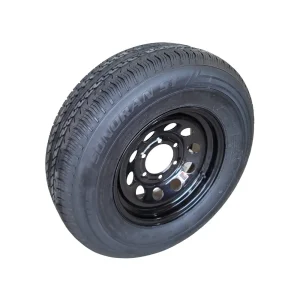
6 Lug Wheel and Tire | 225/75R15 D 8 Ply with Black Mod Wheel 6 on 5.5″
$63.00Source reference price; final selling price unconfirmed. Read more -
Tire & Wheel Assemblies
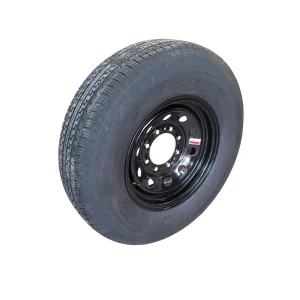
8 Lug Wheel and Tire | 235/80R16 E 10 Ply with Black Mod Wheel 8 on 6.5″
$90.00Source reference price; final selling price unconfirmed. Read more -
Tire & Wheel Assemblies
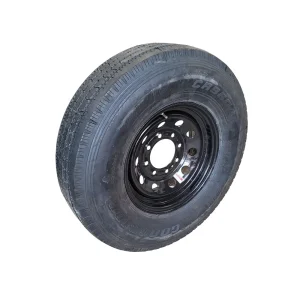
8 Lug Wheel and Tire | 235/85R16 G 14 Ply with Black Mod Wheel 8 on 6.5″
$115.00Source reference price; final selling price unconfirmed. Read more -
Wheels & Rims
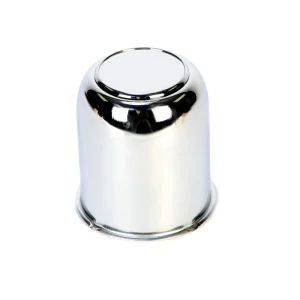
Chrome Center Cap for 5 Lug Aluminum Wheels
$4.50Source reference price; final selling price unconfirmed. Read more
Read the full marking, not just the rim diameter
A diameter such as 15 or 16 inches does not identify a tire. Compare the full size designation, construction, load range and manufacturer's load/inflation documentation with the trailer requirements. A ply description alone does not establish the usable load or speed limit.
Check tire and wheel details together
- Tires: complete sidewall size, intended application, load range and documented load at the specified inflation.
- Wheels: diameter and width, bolt count and bolt-circle diameter, center pilot, offset, lug-seat form and load rating.
- Assemblies: identify both the supplied tire and wheel. Confirm whether the listing includes mounting and any additional hardware.
- Center caps and accessories: compare the wheel's center opening and attachment method; lug count alone does not specify cap fit.
Keep replacement limits consistent
A larger tire or stronger wheel does not raise the trailer's approved capacity. Confirm clearance through the suspension's movement and the wheel-to-hub interfaces. Set pressure and wheel-fastener torque from the applicable manufacturer documents rather than a generic catalog example.
Tire and wheel buying questions
Does a matching bolt pattern guarantee wheel fit?
Also confirm pilot clearance, offset, lug-seat form, stud compatibility, wheel dimensions and ratings.
Are radial and bias tire designations the same?
No. Construction is part of the full tire designation. Follow the trailer and tire manufacturers' replacement guidance.
Is a tire listing supplied on a wheel?
Only when the contents explicitly say so. This catalog has separate tire, wheel and complete-assembly categories.
Related Categories
- Tires & Wheels > Trailer Tires
- Tires & Wheels > Wheels & Rims
- Tires & Wheels > Tire & Wheel Assemblies
- Tires & Wheels > Tire Mounts & Accessories
- Axles, Hubs & Bearings > Hubs & Hub Kits